
Last Updated : September 9, 2026
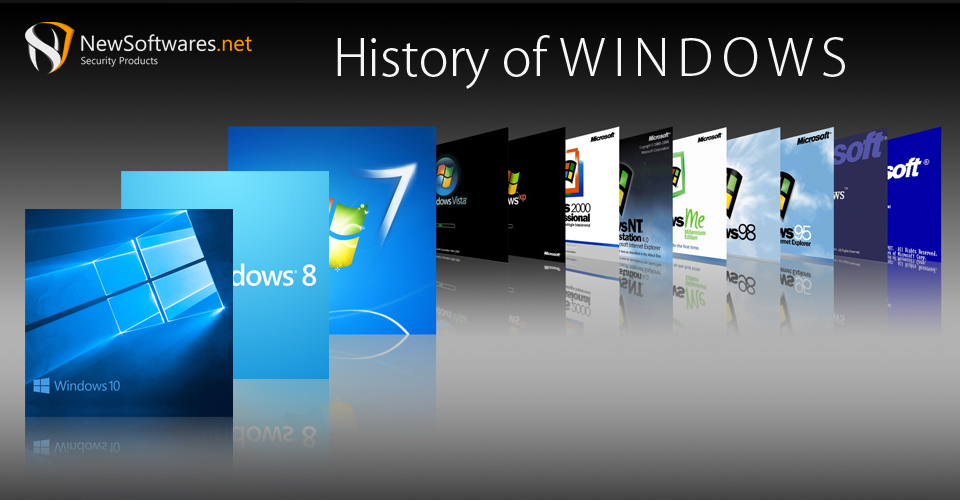
Microsoft was founded by Paul Allen and Bill Gates on April 4, 1975. It was, then, only an applications company. They did create some wonderful applications like Microsoft Word and Excel, which are still popular today, but they weren’t able to make a mark on this planet. It was only when they launched their first ever OS, named Windows 1.0, that their feat to victory began.
Bill Gates announced Microsoft Windows platform on November 10, 1983. Since his new OS had features that looked similar with Apple’s Mac OS, Bill Gates decided to license this software and adopt some of its features. The first version of Windows was made available for sale on November 20, 1985, but received cold response from the general public. Two years, later, Microsoft released version 2.0 for Windows which performed better than previous versions. The first major app to appear on Windows was the ‘Aldus PageMaker’, having previously run only on Macintosh.
The march to glory really began in 1990 when Microsoft released Windows 3.0. It provided improved capabilities to its users which included better multi tasking then its previous versions. It allowed applications to use memory more painlessly than its DOS counterparts, because of a better Graphics card support. Its user interface finally resembled a serious competitor to the user interface of the Macintosh computer. Unlike Macintosh user interface, Windows’ OS was available on an open market. This meant that if a user wanted to use Macintosh’s OS, he was forced to buy the whole Computer, whereas if he wished to use Windows’ OS, he could use it from any other computer system. Microsoft sold more than 1 million copies of Windows 3.0 and its updated versions. This infuriated Apple which sued Microsoft for ‘stealing’ the look and feel of Macintosh’s user interface. The court however ruled in favor of Microsoft.
Microsoft had an intimate relationship with IBM since its start. That relationship was terminated however in 1991 when both companies had a disagreement regarding the making of OS/2, a new Operating system that was due to be released on behalf of both the platforms. However, that didn’t stop Microsoft from marching on. In 1993, the number of licensed users of Microsoft Windows totaled more than 25 million. The second major feat that Microsoft pulled was its introduction of Windows 95, which released on February 14, 1996. Microsoft then released Windows 2000 on February 17, 2000, which proved to be another major success.
The biggest of these feats however was the release of Windows XP. Windows XP was basically a merger of Windows NT/2000 and Windows 95/98/Me. The initial version met with severe criticism, especially regarding security issues. Those issues were addressed however with the release of three major service packs. This encouraged widespread of XP among both home and business users and XP went on to become the best selling Windows ever. It also has the distinction of being lasting longer on Microsoft’s flagship than any other version.
Windows XP was followed up by Windows Vista. However, Vista was the target of much criticism and negative press, and in general was not well regarded; which is seen as leading to the relatively swift release of Windows 7.
Windows 7 was made available on October 22, 2009. Some features of Windows 7 are faster booting, Device Stage, Windows PowerShell, less obtrusive User Account Control, multi-touch, and improved window management. It was released in six versions and received generally positive review. It was followed up by Windows 8, which was intended for users using touch systems. Although, being a hit in the Smartphone market, its desktop version was mostly criticized by the general public.
Windows 10 is the current release of the Microsoft Windows operating system. It was unveiled on September 30, 2014, and was made available for sale on July 29, 2015. It is available to Windows 7 and 8.1 users with no charges for the first year, and up till now, is receiving positive reviews from its users.
Brief History Of Microsoft
Microsoft was founded in 1975 by Bill Gates and Paul Allen. The company started out as a computer language developer and quickly became a leader in the software industry. In 1980, Microsoft released its first operating system, MS-DOS, and then Windows in 1985. Microsoft quickly became the world’s largest software company and has since developed a wide range of products, including the Office Suite, Internet Explorer, Windows Media Player, and Xbox. Microsoft is now one of the world’s largest technology companies and continues
What Is Microsoft Windows?
Microsoft Windows is an operating system developed by Microsoft Corporation for personal computers (PCs). It is the most widely used operating system in the world, and is the basis for many popular applications and programs.
How Did Windows Get Its Logo?
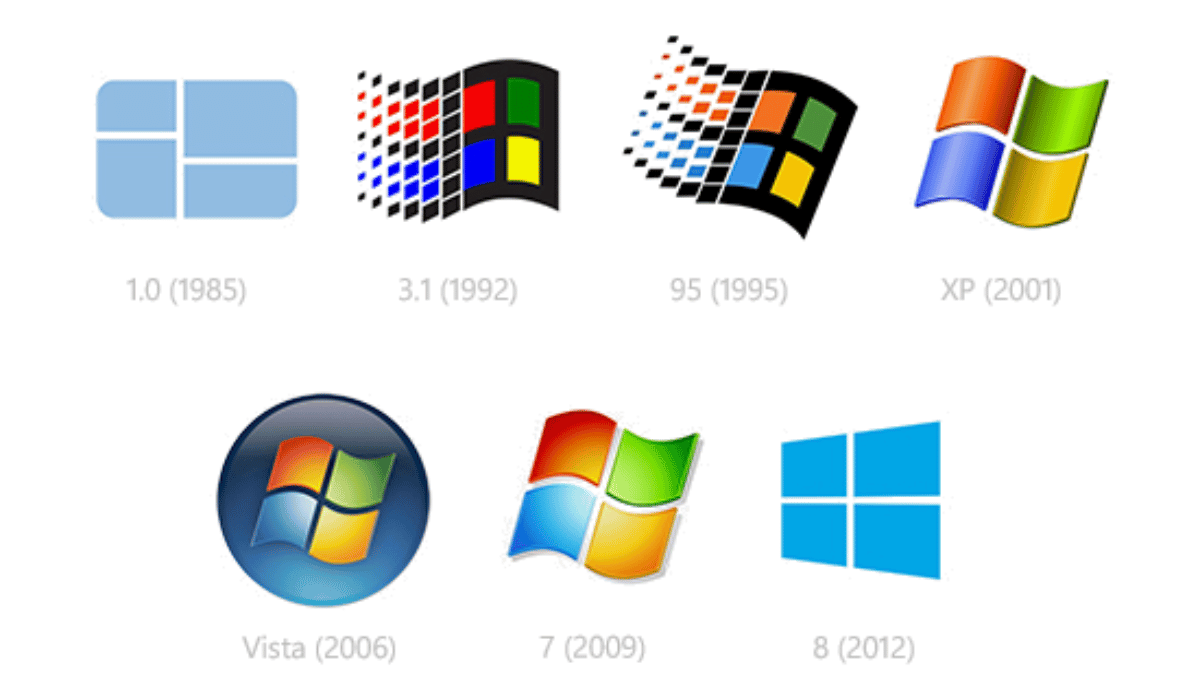
The Windows logo was designed by graphic designer Scott Baker in 1987. The logo is a window with four panes of different colors, representing the four major versions of Windows released at the time. It was designed to be recognizable and memorable, and has since become an iconic symbol for the Windows operating system.
Microsoft Windows Invention
Microsoft Windows was invented in 1985 by Microsoft co-founder Bill Gates. The first version of Windows was released in November 1985, and the latest version is Windows 10, released in July 2015.
Why Is It Called Windows?
The name Windows was chosen to reflect the idea that the program would provide users with a “window” into their computer. This was in contrast to the command-line based operating systems of the time, which required users to type in commands to make the computer do something. Microsoft wanted to make computing more accessible and user-friendly, and the name Windows was chosen to reflect this goal.
Main Purpose Of Microsoft
Microsoft is a technology company that develops, manufactures, licenses, and supports a wide range of products and services related to computing. The company’s main purpose is to help people and businesses around the world realize their full potential through innovative technology solutions.
Uses Of Microsoft Software
1. Office Applications: Microsoft Office is a suite of popular desktop applications used for creating documents, spreadsheets, presentations, databases, and more.
2. Cloud Computing Services: Microsoft Azure is a cloud computing platform that enables organizations to build, deploy, and manage applications and services on a global network.
3. Gaming: Microsoft Xbox and Windows gaming platforms provide gamers with a wide range of games, from first-person shooters to sports games.
Types Of Windows
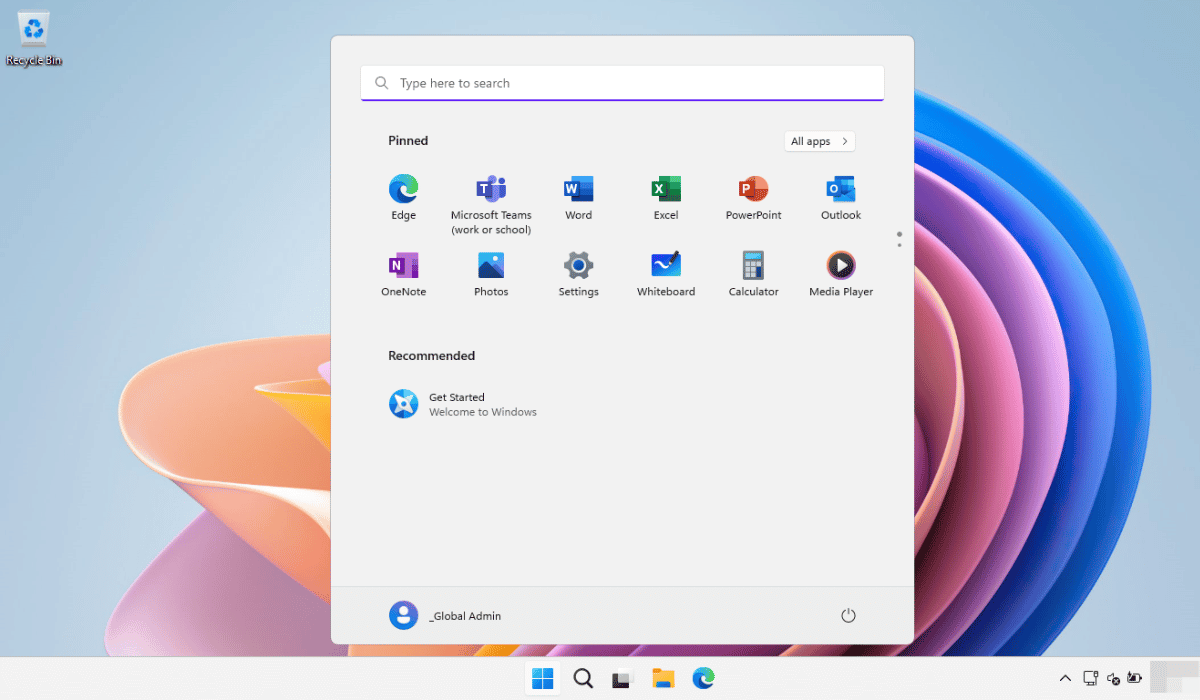
There are currently six different versions of Windows available: Windows 10, Windows 8.1, Windows 8, Windows 7, Windows Vista, and Windows XP.
Components Of Microsoft Windows
It includes a graphical user interface, a set of applications, and system utilities. The main components of Windows include the Windows kernel, the Windows shell, and the Windows API. The Windows kernel is responsible for managing the system’s resources, while the Windows shell provides the user interface. The Windows API enables applications to access system resources and services.
Difference Between Microsoft And Windows
Microsoft is a company that develops, manufactures, licenses, and supports a range of software products and services. Windows is an operating system developed by Microsoft. It is used to run computers and other devices, such as smartphones and tablets.
What Was Windows Named After?
Windows was named after the windows of a building. The name was chosen by Microsoft co-founder, Bill Gates, to reflect the idea of a graphical user interface (GUI). The GUI was designed to be a more user-friendly way of interacting with computers, rather than relying on command line commands.
First Microsoft Windows
The first Microsoft Windows was called Windows 1.0 and was released in 1985. It was the first version of Windows to feature a graphical user interface and was one of the first operating systems to be widely used. Windows 1.0 was succeeded by Windows 2.0, 3.0, and 3.1, before the release of Windows 95 in 1995.
Features Of Windows
Windows is a modern operating system that includes features such as:
• A graphical user interface (GUI) for easy navigation and use of applications
• File and folder management
• Networking capabilities
• Support for a variety of hardware and software
• Built-in search and navigation tools
• Accessibility features for users with disabilities
• Pre-installed applications such as Microsoft Office and Internet Explorer
Windows security features changed across versions. Match each feature to the release, edition, hardware, and support status rather than applying a modern instruction to an older system.
- Check the Windows version first.
- Prefer supported updates.
- Back up before major upgrades.
Importance Of Microsoft Windows
Microsoft Windows is a popular operating system that is used by millions of people around the world. It provides an easy-to-use interface, a variety of applications, and a secure platform for users. Windows is used for a variety of tasks, from basic computing to complex business operations. It is also the most popular operating system for home users. Microsoft Windows is important because it provides users with a reliable and secure platform for their computing needs.
Ready to secure your files?
Join millions of users who trust Folder Lock to password protect their most sensitive photos, videos, and documents.
Windows history
The journey of Microsoft Windows began as a graphical user interface (GUI) shell for MS-DOS, designed to make personal computers more accessible to everyday users through visual elements like windows, icons, and menus. Over the decades, Windows evolved from a simple 16-bit operating environment into a robust, 32-bit and 64-bit operating system that dominates the global desktop market. Each major release—from the introduction of the Start menu in Windows 95 to the enterprise-grade stability of Windows XP and the modern security frameworks of Windows 10 and 11—marked a monumental shift in how humans interact with technology.
However, this rich history is also a chronicle of continuous evolution in cybersecurity. As the Windows operating system grew in popularity and complexity, it inevitably became the primary target for cybercriminals, malware authors, and hackers. In response, Microsoft shifted from a reactive security model to a proactive defense strategy. Modern iterations of Windows are heavily fortified with advanced virtualization-based security, biometric authentication via Windows Hello, and integrated cloud-native defenses designed to protect sensitive user data against increasingly sophisticated cyber threats.
Understanding the history of Windows is vital for modern users who want to appreciate the layers of security protecting their digital lives today. Legacy systems lacked the robust isolation and permission models we take for granted now, which is why utilizing specialized cybersecurity software—such as advanced folder locking tools and enterprise-grade password managers—remains essential. By combining the native security enhancements of modern Windows operating systems with dedicated third-party privacy utilities, users can ensure their personal and professional files remain impenetrable to unauthorized access.
What was windows originally named?
Before it became universally recognized as Microsoft Windows, the groundbreaking operating system was originally under development with the working title “Interface Manager.” Microsoft co-founder Paul Allen and Bill Gates chose this name because it accurately described the core function of the software: managing a visual interface that allowed users to run multiple applications simultaneously across different screen areas. However, marketing visionary Rowland Hanson convinced the team that “Windows” was a much catchier, more descriptive, and consumer-friendly name that captured the revolutionary essence of looking through a window into a digital workspace.
While the name “Interface Manager” was quickly abandoned before the first retail release in 1985, the concept of managing digital interfaces securely remains as relevant today as it was decades ago. Just as early developers needed to organize and control multiple windows on a desktop, modern computer users must effectively manage and restrict access to their digital spaces. Protecting sensitive directories from prying eyes requires more than just a standard user login; it demands dedicated security solutions that can lock down confidential folders and encrypt private data against local and remote breaches.
As the Windows ecosystem expanded, the importance of managing file visibility and access control grew exponentially. In multi-user environments or shared household computers, simply hiding files is no longer enough to guarantee privacy. Today’s cybersecurity landscape necessitates robust folder locking and password protection tools that integrate seamlessly with the Windows environment, ensuring that your private documents remain secure regardless of who has physical or remote access to your machine.
Windows invented by
Microsoft Windows was invented and developed by Microsoft Corporation, a tech giant founded on April 4, 1975, by childhood friends Bill Gates and Paul Allen. While the broader concept of a graphical user interface was pioneered by researchers at Xerox PARC and later popularized by Apple’s Macintosh, Gates and Allen envisioned an operating environment that could run across a vast array of hardware configurations built by various PC manufacturers. Their visionary leadership transformed Windows into the ubiquitous software backbone of the modern personal computing revolution.
The invention of Windows fundamentally altered how digital information is stored, shared, and accessed. As millions of personal computers entered homes and offices worldwide, the necessity for robust digital security became glaringly apparent. Creators and everyday users alike quickly realized that the open architecture of Windows needed safeguarding against emerging digital threats. This realization catalyzed the development of the cybersecurity software industry, giving rise to essential utilities designed to protect user privacy, encrypt confidential files, and secure master passwords.
Today, safeguarding your Windows-based workstation goes beyond trusting the foundational code built by Microsoft; it requires taking active control of your personal cybersecurity posture. Whether you are locking down sensitive financial records, protecting proprietary business documents, or securing personal media, pairing the Windows platform with trusted cybersecurity software like advanced folder lockers and password managers ensures that your digital assets remain strictly under your control.
Frequently Asked Questions
Microsoft Windows was originally developed under the working title “Interface Manager” before the company decided to market it as “Windows” because it better described the graphical window panes used to run multiple programs simultaneously.
The initial version of Microsoft Windows, known as Windows 1.0, was officially released on November 20, 1985, after being announced nearly two years prior in November 1983 by Bill Gates.